Therapists in Illinois
1,064 licensed therapists
Updated
Find the right therapist in Illinois with our directory of 1,064 licensed mental health professionals. Whether you're looking for in-person therapy or telehealth sessions, you can filter by insurance coverage, language, and more to find the perfect match for your needs.









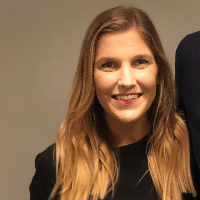


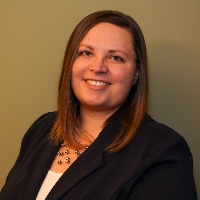







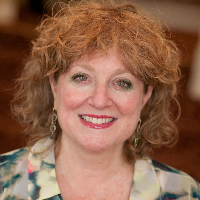



Showing 1-24 of 1,064 results
Therapy Market in Illinois
Based on 2,078 therapist profiles across Illinois
$158
Avg Session Fee
97%
Accept Insurance
12 yrs
Avg Experience
2,078
Therapists Statewide
Session Fee Breakdown
Median: $150/session
Top Insurance Providers in Illinois
Most Sought Specialties in Illinois
Market data sourced from public therapist profiles across Illinois. Actual fees and availability may vary.
Guide to Finding Therapy in Illinois
Illinois's mental health market is dominated by Chicago's vast metropolitan ecosystem but deeply divided between urban density and downstate rural communities. In Chicago, Dr. Amanda Chen, a licensed clinical psychologist with 16 years of experience in diverse urban mental health care, leads a robust network of mental health professionals. The Illinois therapist directory includes more than 2,200 licensed professionals, while the broader market encompasses approximately 3,300 mental health service providers. Chicago's cultural diversity, economic inequality, and Midwest values create distinctive mental health needs contrasting sharply with downstate communities.
Illinois's therapy costs reflect stark urban-rural divide and Chicago's market dynamics. The median rate is approximately $130 per session, with fees ranging from $85 to $200 per hour. Chicago therapists serving affluent northside populations and professional clients often charge $180 to $280 per session. Downstate communities and community mental health centers offer substantially more affordable options. Sliding scale arrangements are widely available through private practices and community centers.
Insurance coverage in Illinois is accepted by approximately 62% of licensed therapists. Blue Cross Blue Shield of Illinois, United Healthcare, and Aetna are the most widely accepted plans. Illinois's Medicaid program (Medical Assistance Program) provides comprehensive mental health coverage. Verify in-network provider availability with your insurance plan. The Illinois Department of Insurance provides consumer assistance with coverage questions.
Telehealth services are utilized by approximately 60% of Illinois therapists, helpful for accessing urban specialists from downstate areas. Anxiety, depression, trauma-related conditions, substance use disorders, relationship issues, adjustment challenges related to urban living and inequality, and family therapy are commonly addressed specialties. The National Institute of Mental Health's anxiety and depression resources provide evidence-based treatment information.
Therapist Availability in Illinois
1 therapist per 6,039 residents (population: 12,549,689)
Insurance Guide for Therapy in Illinois
Illinois's insurance market is large and diverse. Approximately 62% of therapists accept insurance, with Blue Cross Blue Shield of Illinois, United Healthcare, and Aetna as leading plans. Illinois's Medicaid program (Medical Assistance Program) provides comprehensive behavioral health coverage. Verify in-network provider availability with your insurance plan. The Illinois Department of Insurance provides consumer resources and assistance with coverage disputes.
For uninsured Illinois residents, affordable therapy options exist throughout the state. Sliding scale therapy fees typically range from $50 to $120 per session depending on income. Community mental health centers across Illinois provide comprehensive services on sliding fee bases. Licensed therapist James Washington, based in Chicago and dedicated to serving underinsured populations, emphasizes that mental health care should be accessible to all Illinoisans regardless of insurance status. The SAMHSA National Helpline at 1-800-662-4357 provides free referrals to treatment options.
Illinois's mental health parity law ensures comparable behavioral health and medical coverage. Illinois's insurance regulatory environment provides strong consumer protections. The CMS Mental Health Parity information details federal protections, while Illinois's Department of Insurance addresses state-specific enforcement.
Therapy Specialties in Illinois
Illinois's mental health specialties reflect Chicago's urban intensity and downstate rural character. Anxiety, depression, trauma-related conditions including community violence trauma, substance use disorders, relationship issues, adjustment challenges related to urban living and inequality, and family therapy are major focuses. Chicago's concentrated poverty and wealth inequality create distinctive mental health challenges. Downstate communities experience agricultural stress and economic transitions. Illinois's diverse immigrant populations require culturally-competent providers.
Anxiety treatment in Illinois addresses both universal anxiety and urban-specific stressors. Dr. Kevin Patterson, a licensed clinical psychologist in Chicago specializing in anxiety disorders and urban mental health, emphasizes understanding how systemic inequality and urban stressors interact with anxiety. His practice uses cognitive-behavioral therapy and acceptance-commitment therapy adapted for diverse urban populations. The American Psychological Association's anxiety treatment resources provide evidence-based frameworks.
Depression treatment in Illinois often addresses economic stress, relationship challenges, and urban adjustment. Licensed clinical social worker Maria Rodriguez, based in Chicago and specializing in depression treatment for diverse populations, integrates interpersonal therapy and behavioral activation with community resources and medical collaboration. The NAMI Illinois provides peer support and educational resources.
Trauma and PTSD treatment in Illinois addresses community violence trauma, relationship trauma, workplace trauma, and other trauma sources. Therapists trained in trauma-focused cognitive-behavioral therapy and EMDR work with diverse populations. The National Center for PTSD provides trauma recovery resources. The 988 Lifeline offers 24/7 crisis support by calling or texting 988, connecting Illinois residents with mental health services.
Frequently Asked Questions About Therapy in Illinois
How many therapists are available in Illinois?
Our directory lists 1,064 licensed therapists practicing in Illinois. Across the broader Illinois market, there are approximately 2,078 mental health professionals based on public profile data.
How much does therapy cost in Illinois?
The average therapy session in Illinois costs $158, with a median fee of $150. Fees range from $20 to $620 per session depending on the provider, specialty, and session type. Many therapists offer sliding scale fees for those who qualify.
What insurance plans do therapists in Illinois accept?
Approximately 97% of therapists in Illinois accept insurance. The most commonly accepted insurance plans in our directory include , and more. Based on market data, top insurance providers statewide include BlueCross and BlueShield, Aetna, Cigna and Evernorth. Use the insurance filter on this page to find therapists who accept your specific plan.
Can I find a telehealth therapist in Illinois?
Yes. 1,064 therapists in our Illinois directory offer online/telehealth sessions, making it easy to connect with a provider from the comfort of your home. Use the "Telehealth Available" filter above to see only providers offering virtual sessions.
What are the most common therapy specialties in Illinois?
The most sought-after therapy specialties in Illinois include Anxiety, Depression, Trauma and PTSD, Relationship Issues, Life Transitions. You can browse therapists by specialty using the links above or our specialty directory.
What therapy approaches are used by therapists in Illinois?
Popular therapeutic approaches among Illinois practitioners include Cognitive Behavioral Therapy (CBT), Client-Centered Therapy, Solution-Focused Therapy, Mindfulness Therapy, Motivational Interviewing. Each approach has its strengths - for example, CBT is evidence-based for anxiety and depression, while EMDR is widely used for trauma. You can filter by treatment approach to find a therapist whose methods align with your preferences.
How experienced are therapists in Illinois?
Therapists in Illinois have an average of 12 years of clinical experience. This means most providers have extensive training and practice treating a wide range of mental health concerns.
Can I find a therapist in Illinois who speaks my language?
Yes. Beyond English, therapists in our Illinois directory speak Spanish (13 therapists), Italian (3 therapists), Hindi (3 therapists), Russian (2 therapists), Greek (2 therapists). Use the Language filter on this page to find a therapist who speaks your preferred language.